
Exploring the costs associated with implementing a Digital Queue Management System in Texas DMV Offices sheds light on the intricacies of optimizing efficiency and customer satisfaction. Let's delve into the key factors and considerations that play a crucial role in this analysis.
Factors affecting the cost of implementing a Digital Queue Management System in Texas DMV Offices
Implementing a Digital Queue Management System in Texas DMV Offices can vary in cost based on several key factors. Let's explore the components that influence the overall cost.
Size of the DMV office and number of service points
The size of the DMV office and the number of service points play a significant role in determining the cost of implementing a Digital Queue Management System. Larger offices with more service points will require a more extensive system to efficiently manage customer flow.
This can involve additional hardware, software licenses, and installation costs, all contributing to a higher overall cost.
Customization requirements
Customization requirements can also impact the cost of implementing a Digital Queue Management System. Each DMV office may have specific needs or preferences when it comes to queue management. Customizing the system to meet these unique requirements can involve additional development work, integration with existing systems, and testing.
As a result, the level of customization needed can influence the overall cost of implementation.
Comparison of upfront costs vs. long-term expenses for a Digital Queue Management System
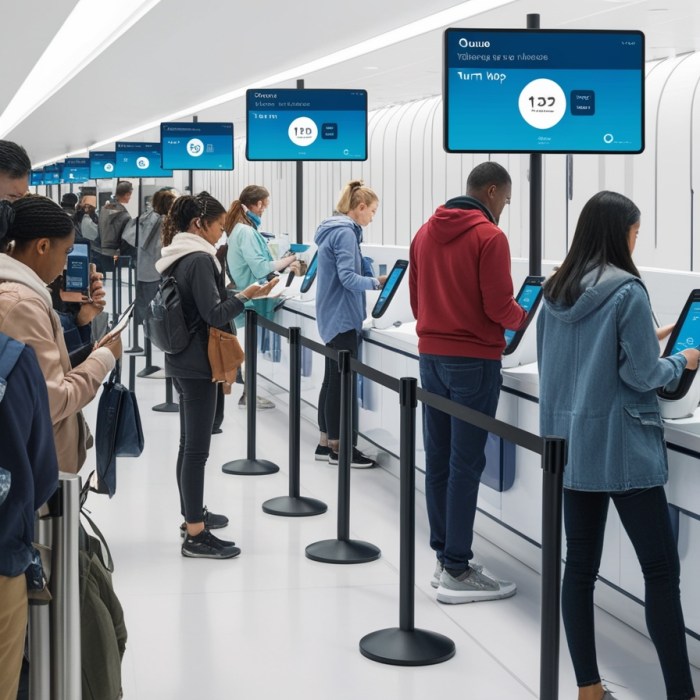
Implementing a Digital Queue Management System in Texas DMV offices involves considering both upfront costs and long-term expenses. Let's break down the financial aspects to understand the investment needed and the potential savings over time.
One-time Setup Costs
Setting up a Digital Queue Management System incurs various one-time costs, including:
- Cost of hardware such as kiosks, displays, and ticket printers
- Software licensing fees
- Installation and configuration charges
- Training costs for staff
Ongoing Maintenance Expenses
Once the system is in place, there are ongoing maintenance expenses to consider, such as:
- Software updates and maintenance fees
- Technical support and troubleshooting costs
- Replacement of hardware components over time
- Regular system upgrades to meet changing requirements
Potential Cost Savings over Time
While there are upfront and ongoing costs associated with a Digital Queue Management System, the implementation can lead to significant cost savings over time. These savings may come from:
- Reduced staffing needs due to improved efficiency
- Minimized wait times leading to increased customer satisfaction
- Optimized resource allocation resulting in better service delivery
- Lower operational costs through streamlined processes
Cost-benefit analysis of a Digital Queue Management System in Texas DMV Offices
Implementing a Digital Queue Management System in Texas DMV Offices can bring about several cost-saving benefits that outweigh the initial investment. Let's delve into how this system can lead to improved operational efficiency and customer satisfaction, resulting in potential revenue increases.
Benefits of reduced wait times on operational efficiency
- Reduced wait times mean faster processing of customers, leading to increased productivity among staff.
- Efficient queue management allows for better allocation of resources and staff, optimizing the overall workflow.
- Streamlined operations can result in reduced operational costs and improved service delivery.
Improved customer satisfaction leading to cost savings
- Shorter wait times and smoother processes enhance the overall customer experience, increasing satisfaction levels.
- Satisfied customers are more likely to return and recommend the DMV, contributing to customer retention and acquisition without additional marketing costs.
- Positive word-of-mouth from satisfied customers can attract new clients and improve the DMV's reputation, leading to long-term cost savings.
Potential revenue increases due to enhanced customer experience
- Happy customers are more inclined to utilize additional services offered by the DMV, potentially increasing revenue streams.
- Enhanced customer experience can lead to higher customer loyalty, resulting in repeat business and increased revenue over time.
- Positive online reviews and recommendations can attract more customers to the DMV, boosting overall revenue through increased footfall.
Considerations for budget allocation and resource planning for implementing a Digital Queue Management System
Implementing a Digital Queue Management System in Texas DMV Offices requires careful budget allocation and resource planning to ensure a smooth and cost-effective implementation process. By following the right steps and strategies, offices can maximize resources while controlling costs, ultimately leading to a successful deployment of the system.
Steps involved in budgeting for the system implementation
- Conduct a thorough assessment of current resources and infrastructure to determine the scope of the project.
- Research and gather information on the upfront costs of the Digital Queue Management System, including hardware, software, and installation fees.
- Factor in ongoing expenses such as maintenance, training, and updates to create a comprehensive budget plan.
- Allocate funds for potential unforeseen expenses or emergencies to prevent budget overruns during implementation.
Strategies for maximizing resources while controlling costs
- Explore options for cost-effective hardware and software solutions that meet the specific needs of Texas DMV Offices.
- Consider leveraging existing resources and infrastructure to reduce the overall implementation costs.
- Negotiate with vendors for discounts, bulk pricing, or customized packages to optimize budget allocation.
- Implement efficient project management and resource allocation strategies to minimize waste and maximize productivity.
Recommendations for cost-effective implementation without compromising quality
- Invest in staff training and development to ensure that employees can fully utilize the Digital Queue Management System, reducing the need for external support and additional costs.
- Regularly monitor and assess the system's performance to identify areas for improvement and cost-saving opportunities.
- Engage stakeholders and end-users in the planning and implementation process to gather valuable feedback and insights for a more effective and efficient deployment.
- Continuously evaluate the return on investment of the Digital Queue Management System to ensure that costs are justified by the benefits and efficiencies gained.
Epilogue
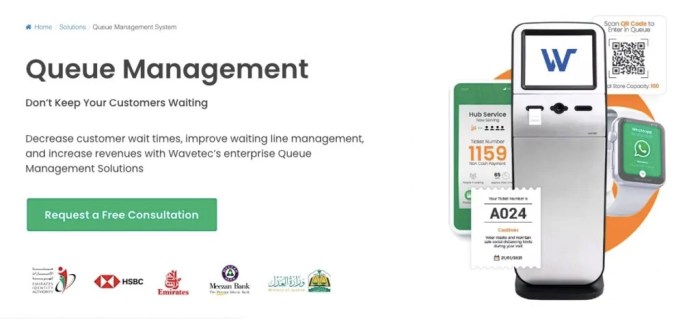
In conclusion, the cost analysis of a Digital Queue Management System for Texas DMV Offices unveils a realm of possibilities for enhancing operations and elevating customer experiences. By carefully evaluating the expenses and benefits, offices can pave the way for a seamless and efficient service environment.
Quick FAQs
What are the key components contributing to the overall cost?
The key components include hardware, software, customization, and installation fees.
How can customization requirements impact the cost?
Customization requirements can increase the cost due to additional development and integration work.
What potential cost savings can be achieved over time with the system implementation?
Cost savings can be seen through reduced operational expenses and increased efficiency.







![13 Great ScreenCloud Alternatives [Updated 2025 Guide] - Juuno](https://digital.kandisnews.com/wp-content/uploads/2025/12/920f59c6-5886-4772-8725-e393b73e9292-120x86.png)